Social Media Growth Tips for Beginners in 2026: 12 Simple Ways to Grow Your Following
Social Media Growth Tips for Beginners in 2026: 12 Simple Ways to Grow Your Following

Growing on social media does not require expensive equipment, a huge budget, or one lucky viral post. The best social media growth tips for beginners are usually simple: understand your audience, publish useful content, stay consistent, and build real relationships.
In 2026, beginners have more tools and platforms than ever. That can be helpful, but it can also feel overwhelming. You do not need to be everywhere. You need a clear plan you can follow for at least 90 days.
Here are 12 practical ways to grow your following without making social media your full-time job.
Affiliate disclosure: Blessed House Money is part of the Marblism Affiliate program. If you sign up through our affiliate link, we may earn a commission at no extra cost to you. Always review a product’s features, pricing, and terms to decide whether it fits your needs.
1. Choose a clear goal and audience
Start by deciding what you want social media to do for you.
Your goal might be to:
- Build a personal brand
- Find customers
- Promote a service
- Grow an online community
- Share a hobby
- Send traffic to a website or blog
- Support an affiliate marketing business
Next, decide who you want to reach. Avoid trying to speak to everyone in every post. A specific audience makes your content easier to understand and more useful.
For example, “people interested in fitness” is broad. “Busy beginners who want simple home workouts” is more focused.
Ask yourself:
- Who am I trying to help?
- What problem do they have?
- What information, inspiration, or entertainment can I provide?
A clear audience gives you better content ideas and helps the right people recognize that your account is for them.
2. Focus on one to three platforms
One of the most common beginner mistakes is trying to manage every platform at once. This often leads to inconsistent posting and burnout.
Start with one primary platform and, if you have enough time, add one or two supporting platforms.
Consider:
- TikTok, Instagram Reels, or YouTube Shorts for short videos and discovery
- YouTube for tutorials, reviews, and longer explanations
- LinkedIn for professional advice and business content
- Pinterest for visual guides, blog traffic, and evergreen content
- Facebook for local businesses, groups, and community discussions
- X for fast conversations, opinions, and industry updates
Choose platforms based on where your audience spends time and what type of content you enjoy creating. You will usually grow faster by doing one platform well than by doing five platforms poorly.
3. Optimize your profile for new visitors
When a post reaches new people, they may visit your profile before deciding whether to follow you. Make that decision easy.
Your profile should include:
- A clear profile photo or recognizable logo
- A simple username
- A short description of who you help
- A reason someone should follow you
- A link to your website, newsletter, or main offer
- A few pinned or featured posts
A useful bio formula is:
I help [audience] achieve [result] with [topic or method].
For example:
I help new freelancers find clients with simple online marketing tips.
Your best pinned posts might include an introduction, your most helpful tutorial, and a post that explains what followers can expect from your account.
4. Create a realistic posting schedule
Consistency is more important than occasional bursts of activity. You do not need to post ten times a day. You need a schedule you can maintain.
A beginner-friendly schedule could be:
- Three short posts or videos each week
- One helpful carousel, article, or longer post each week
- Fifteen minutes of engagement on most days
If three posts per week feels difficult, start with two. The goal is to build a repeatable habit.
Create content in batches when possible. For example, record three short videos during one session, then edit and schedule them throughout the week. This saves time and prevents you from starting from zero every day.
5. Use three to five content pillars
Content pillars are the main subjects you regularly discuss. They keep your account focused and make planning easier.
Possible pillars include:
- Tutorials
- Mistakes to avoid
- Personal stories
- Behind-the-scenes content
- Product or tool reviews
- Frequently asked questions
- Tips and quick explanations
- Customer results or case studies
You can also create repeatable series, such as:
- “Tip Tuesday”
- “Three Mistakes Beginners Make”
- “One-Minute Marketing Lesson”
- “Weekly Tool Review”
- “Ask Me Anything Friday”
Series help your audience know what to expect and give you an easier way to create content consistently.
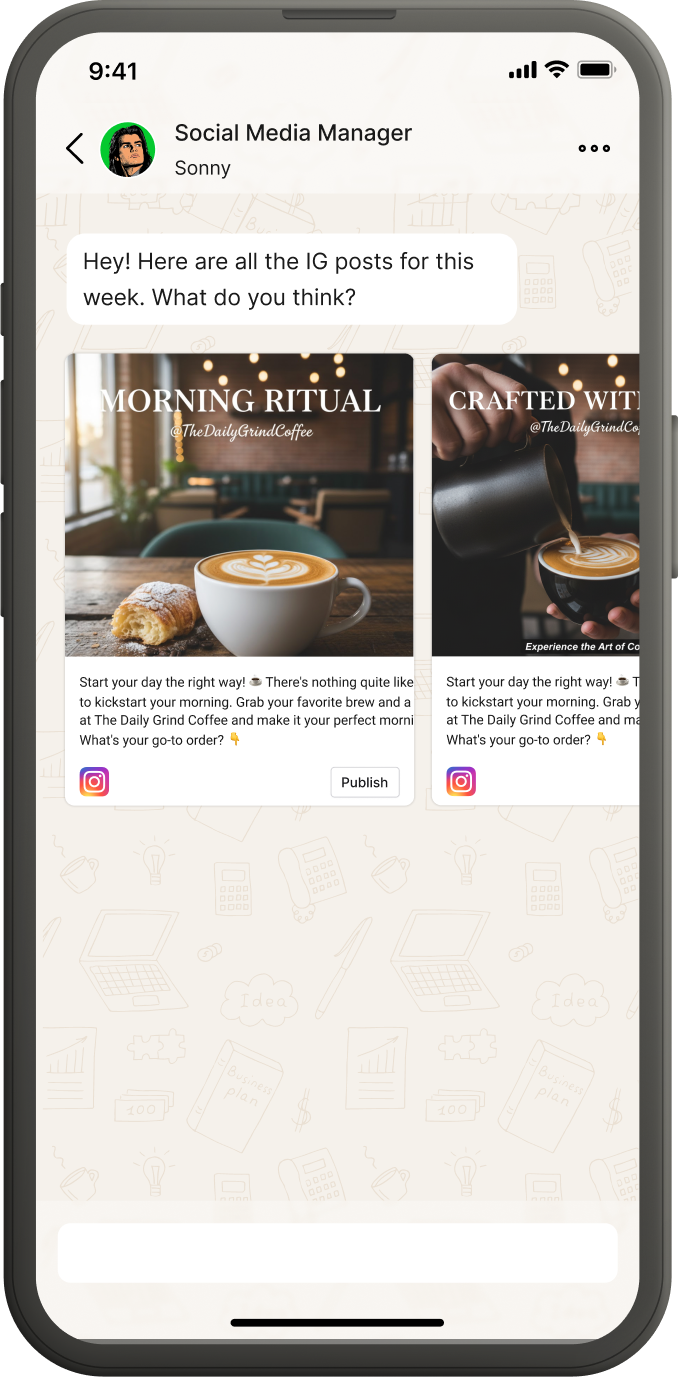
6. Use strong hooks in short-form content
Short-form videos can help beginners reach people who do not follow them yet. However, you need to earn attention quickly.
Your first sentence or visual should tell people why they should keep watching. Examples include:
- “Here are three social media mistakes hurting your reach.”
- “Do this before you publish your next Reel.”
- “If you are starting from zero, try this simple content plan.”
- “Most beginners make this profile mistake.”
Keep one video focused on one idea. Use captions because many people watch without sound. Show the result, problem, or promise early instead of spending too much time on introductions.
Do not copy every trend. Use trends only when they fit your message and audience.
7. Respond to comments and start conversations
Social media growth is not only about publishing. It is also about participating.
When people comment on your posts:
- Reply with more than a single emoji
- Ask a follow-up question
- Thank people for sharing their experience
- Address useful criticism respectfully
- Turn repeated questions into future posts
Early engagement can also help you understand what your audience wants. If several people ask the same question, that is a strong content idea.
Think of every post as the beginning of a conversation, not the end of one.
8. Leave useful comments on other accounts
Strategic commenting can introduce your profile to people who already care about your topic. Avoid generic comments such as “Great post!” or “Love this!”
Instead, add something helpful:
- A practical example
- A different perspective
- A short explanation
- A related lesson
- A thoughtful question
Focus on creators and communities that attract the type of audience you want. Over time, useful comments can lead to profile visits, relationships, and collaboration opportunities.
The goal is not to promote yourself in every comment. The goal is to become a recognizable and helpful member of the community.
9. Collaborate with complementary creators
You do not need thousands of followers to collaborate. Small creators can often work together effectively because they share similar audiences.
Look for someone who:
- Serves a similar audience
- Covers a related but different topic
- Has a positive reputation
- Communicates reliably
- Creates content at a similar level
Simple collaboration ideas include:
- Joint livestreams
- Interviews
- Shared posts
- Short videos answering the same question
- Guest newsletter features
- Shout-outs
- Co-created checklists
For example, a beginner fitness creator could collaborate with someone who shares simple nutrition tips. Both creators provide value while introducing their audiences to another helpful account.
10. Use searchable keywords and relevant hashtags
Social platforms increasingly work like search engines. People search for answers, products, tutorials, and recommendations directly inside apps.
Use your main topic naturally in:
- Video titles
- Captions
- Spoken words
- On-screen text
- Profile descriptions
- Alt text, where available
Use specific hashtags that match your topic and audience. A few relevant hashtags are usually more useful than a long list of unrelated popular tags.
If your post is about beginner social media growth, phrases such as “social media growth tips,” “content planning for beginners,” and “how to grow on Instagram” may be more useful than broad tags with millions of posts.
Write for people first. Keywords should make your content clearer, not awkward.
11. Build a website or blog that supports your social media
Social media is powerful, but you do not control the platform, its algorithm, or its future rules. A website gives you a home base where you can publish longer resources, collect email subscribers, and organize your best content.
You can use social media to send people to:
- A helpful blog post
- A free checklist
- A service page
- An email newsletter
- A product comparison
- A resource library
Visit Blessed House Money for more beginner-friendly ideas about online marketing and affiliate opportunities.
If you want help creating a website or blog to support your social growth, you can explore Marblism through our affiliate link. Marblism presents tools such as a Website Builder, Social Media support, and SEO assistance. These types of tools may help you create a more consistent system, but choose them only if they fit your goals and budget.

12. Review your results during a 90-day sprint
Do not judge your strategy after three posts. Give yourself a 90-day testing period.
Each week, review:
- Reach
- Watch time or retention
- Saves
- Shares
- Comments
- Profile visits
- Website clicks
- Follower growth
Follower count matters, but it is not the only measure of progress. A post with fewer views may be more valuable if it brings website visitors, email subscribers, or potential customers.

At the end of each month, identify:
- Which topics received the most saves and shares?
- Which formats held people’s attention?
- Which posts led to profile or website visits?
- What questions did people ask?
- What should you repeat or improve?
Then make more content based on what you learn. Growth often comes from repeating useful ideas in better formats, not from constantly starting over.
A simple weekly plan for beginners
Here is an easy schedule you can try:
- Monday: Publish one educational tip
- Tuesday: Comment on five relevant posts
- Wednesday: Share a short video or personal story
- Thursday: Repurpose an older idea into a new format
- Friday: Answer a common audience question
- Weekend: Review your analytics and plan the next week
You can adjust this schedule to fit your time. The important part is creating a rhythm you can maintain.
Final thoughts
The best social media growth tips are not complicated tricks. Choose a clear audience, focus on a few platforms, publish helpful content, engage with people, and measure your progress over time.
Do not wait for perfect branding or expensive equipment. Start with what you have, learn from your audience, and improve one post at a time.
For more practical online marketing guidance, visit https://house-money.marblism.me. If you need a website and content system to support your social media efforts, learn more about Marblism here.
The goal is not just to collect followers. It is to build trust with the right people and give them a reason to keep coming back.